November 13, 2026
A well-designed fence can change how a property looks from the street. Beyond defining boundaries, fencing introduces structure, complements landscaping, and helps outdoor spaces appear more organized. Professional fence installation allows homeowners to choose materials and designs that support both practical needs and architectural character.
According to IBISWorld, the fence construction industry has an estimated value of $20 billion in 2026. This substantial market reflects the importance of fencing across residential and commercial properties. For homeowners considering an exterior improvement, understanding how fencing affects appearance can make design decisions easier. Here are six ways a thoughtfully selected fence can improve curb appeal.
1. Creating a More Defined Property Appearance
Establishing Clear Boundaries
A fence creates a visible transition between private property and surrounding areas. Defined boundaries can make a yard appear more intentional, especially where landscaping blends into neighboring spaces. Professional planning helps homeowners consider how fencing will relate to existing structures, pathways, and property lines.
Organizing Outdoor Spaces
Large yards sometimes lack clear visual organization. Fencing can establish separate areas for gardens, recreation, or outdoor gatherings without changing the home's architecture. A thoughtful fence installation provides structure while allowing different landscape features to remain visually connected.
Highlighting Front Yard Features
Decorative fencing can frame flower beds, walkways, and other prominent features. A suitable design draws attention to these elements rather than competing with them. Fence height, spacing, and material selection all influence how naturally the structure complements the front yard.
Creating a Finished Appearance
Properties with undefined edges can sometimes appear incomplete, even when lawns and planting beds are maintained. A coordinated fence introduces a recognizable finishing element. Consistent lines and appropriate proportions help the landscape feel more cohesive from different viewing angles.
2. Complementing the Home's Architectural Style
Matching Traditional Home Designs
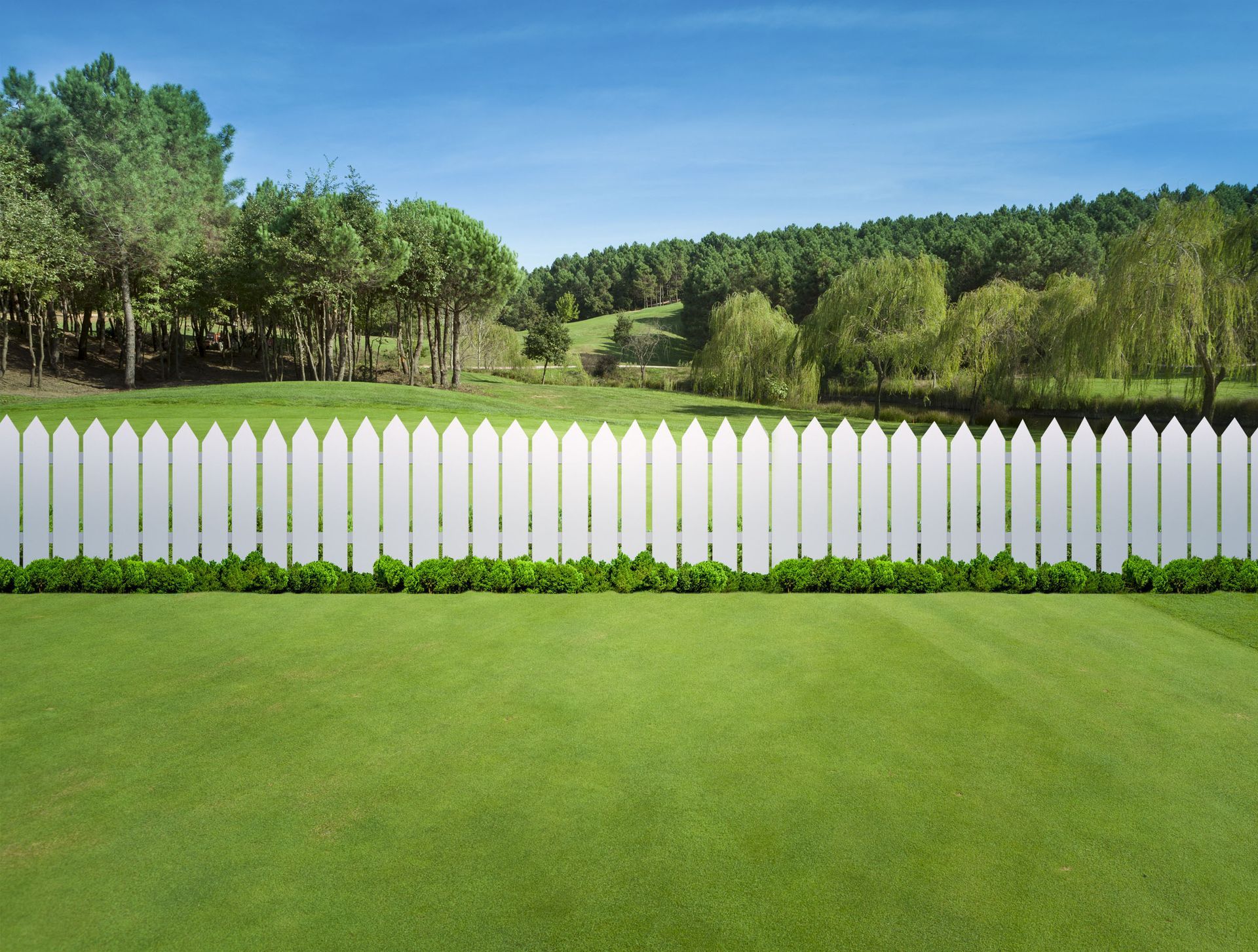
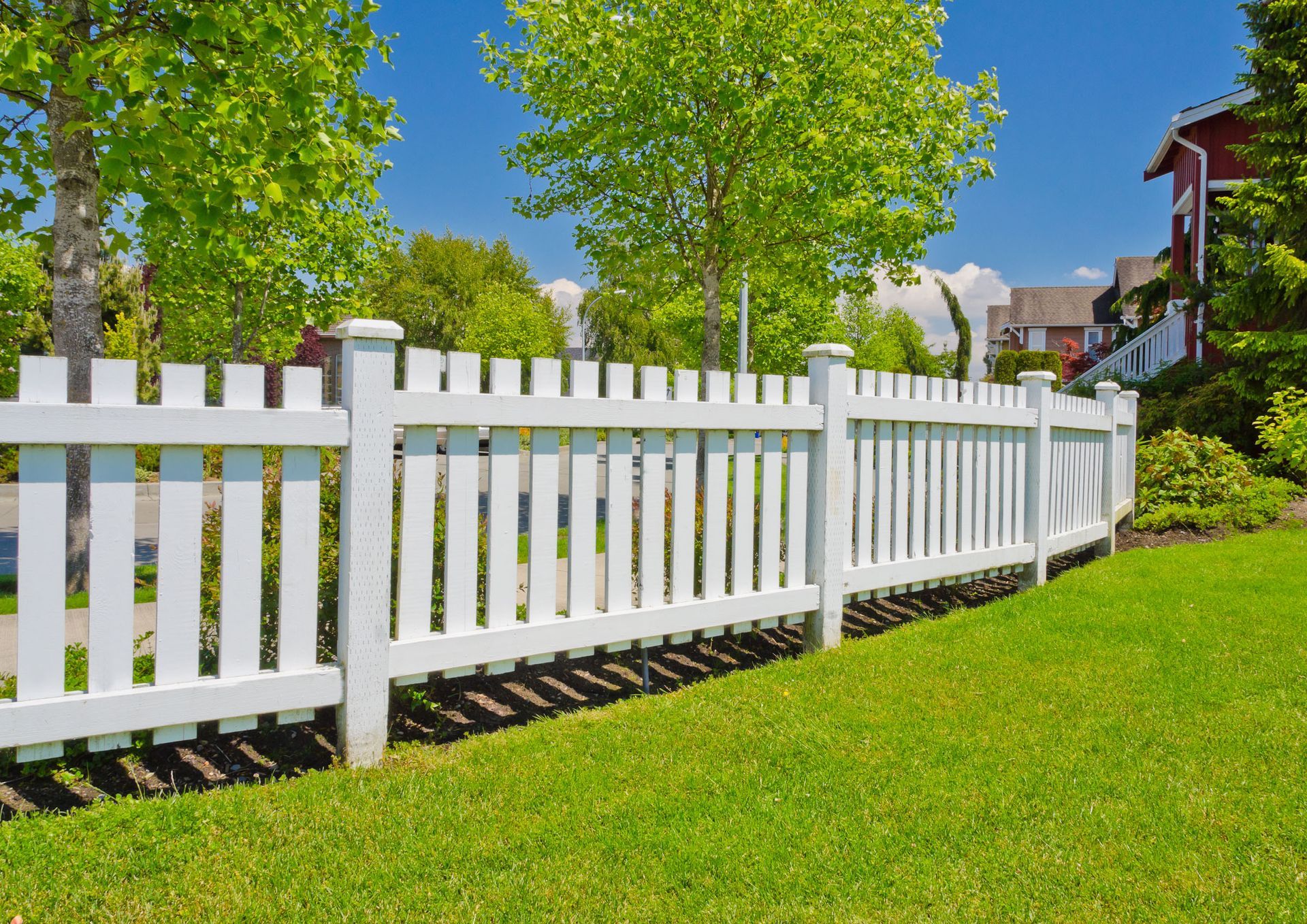
Classic picket fences and other traditional styles can complement cottages, colonial homes, and established residential neighborhoods. Their familiar proportions reinforce architectural character without overwhelming the property. Material finishes and decorative details can further connect the fence to the home's exterior.
Matching Contemporary Home Designs
Modern homes often feature clean lines and restrained exterior details. Horizontal fencing and streamlined profiles may complement these characteristics. Professional fence installation helps homeowners evaluate how spacing, color, and material combinations affect the overall appearance.
Coordinating Exterior Materials
A fence does not need to use the same material as the house to create visual harmony. Complementary textures and finishes can connect wood siding, masonry, and painted surfaces. The goal is a balanced appearance that respects the property's existing design.
Balancing Decorative Details
Decorative post caps, lattice accents, and distinctive gate designs can add personality. However, too many competing details may distract from the home itself. A balanced design considers which features enhance the architecture and which could make the exterior appear unnecessarily busy.
3. Enhancing the Appearance of Landscaping
Framing Garden Beds
Fencing can create an attractive backdrop for flowers, shrubs, and ornamental grasses. The contrast between structured materials and natural vegetation adds visual interest. Homeowners should consider how mature plant growth will interact with the finished fence throughout the seasons.
Highlighting Mature Trees
Established trees often serve as focal points within residential landscapes. A carefully positioned fence can complement their appearance without making the yard feel crowded. A professional fence installation should account for existing roots, branches, and surrounding planting areas when evaluating placement.
Creating Visual Contrast
Fence colors and textures influence how landscaping appears. Darker finishes can create contrast against bright foliage, while lighter materials may provide a softer appearance. Selecting complementary colors helps outdoor features feel connected rather than visually disconnected.
Supporting Seasonal Interest
Landscaping changes throughout the year as flowers bloom, leaves fall, and vegetation becomes dormant. A fence provides a consistent visual element across these transitions. Its appearance can help maintain an organized landscape even when seasonal plantings are less prominent.
4. Improving the Appearance of Outdoor Privacy
Screening Busy Surroundings
Properties near roads or neighboring buildings may benefit from thoughtfully designed privacy fencing. Screening certain views can make outdoor spaces feel more comfortable and visually contained. The appropriate height and style depend on property conditions, homeowner preferences, and applicable regulations.
Defining Private Gathering Areas
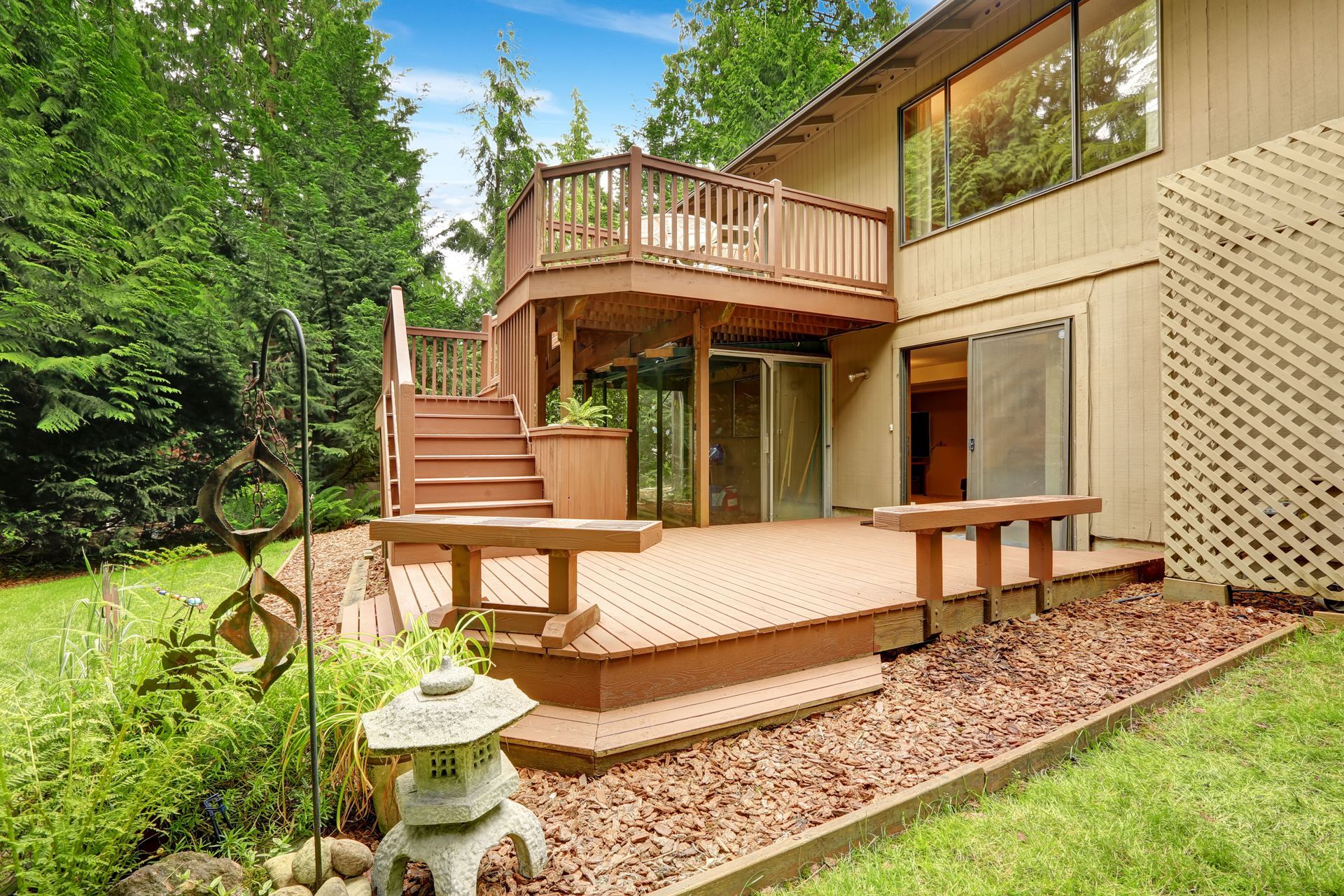
Patios and outdoor seating spaces often feel more inviting when their boundaries are clearly established. Professional fence installation can help create a sense of separation without requiring extensive changes to the surrounding landscape. Design choices influence how open or enclosed these areas appear.
Concealing Utility Areas
Trash containers, storage areas, and certain outdoor equipment can interrupt an otherwise attractive landscape. Suitable fencing may help reduce their visibility from common viewing areas. Access requirements and equipment clearance must remain important considerations when planning these features.
Maintaining an Open Appearance
Privacy does not always require completely solid fencing. Some designs provide partial screening while preserving airflow and visual openness. Homeowners can compare styles based on their preferred balance between separation, visibility, and the character of the surrounding property.
5. Adding Attractive Gates and Entry Features
Emphasizing Main Entry Points
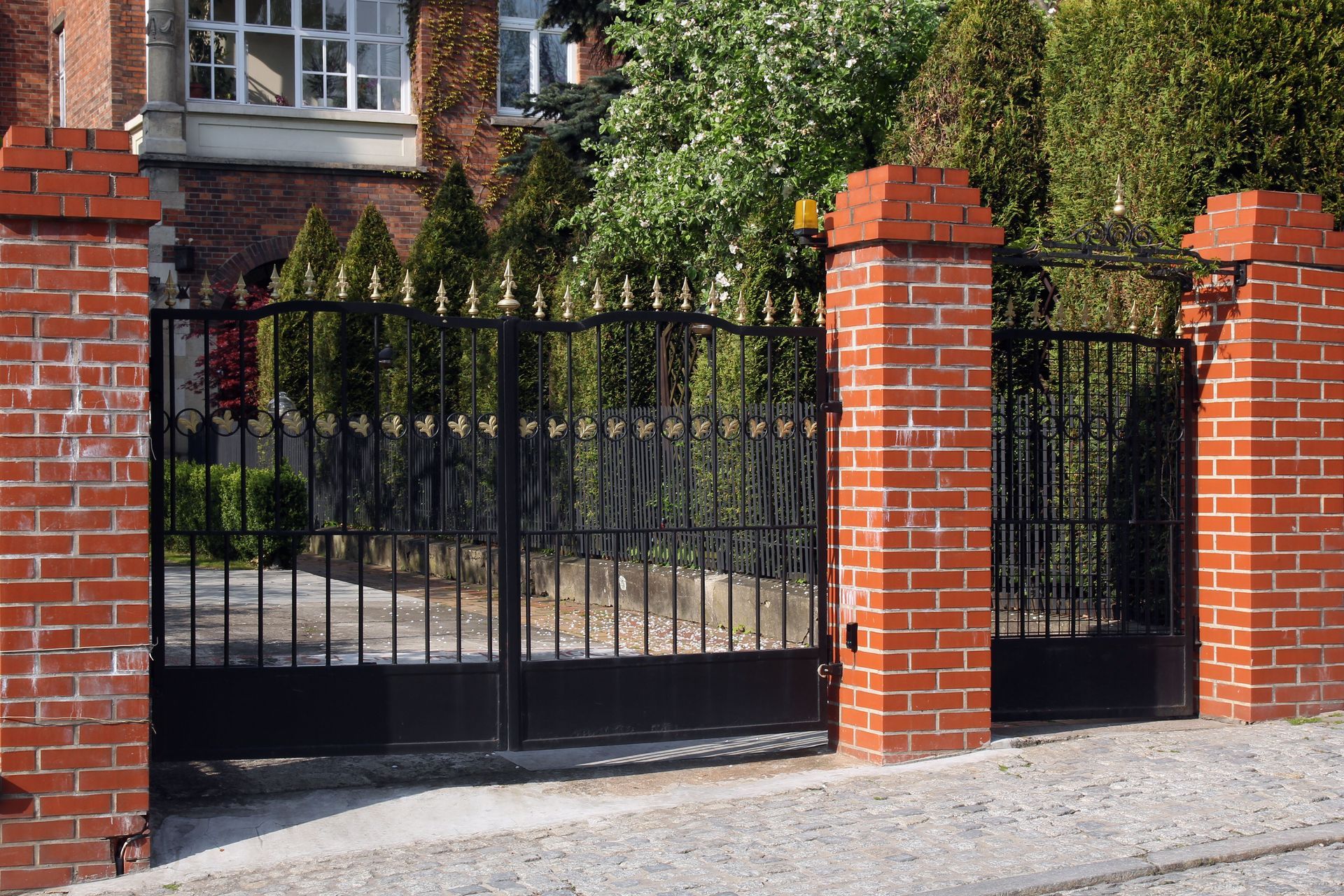
A well-positioned gate can make an entrance more recognizable and welcoming. Its design may complement nearby walkways, landscaping, and architectural features. Matching the gate to the surrounding fence creates a consistent appearance while supporting convenient access.
Coordinating Hardware Finishes
Hinges, latches, and decorative hardware influence the finished appearance of gates. Coordinated finishes help these functional components complement the overall design. During fence installation, hardware selection should also account for durability and the practical requirements of regular use.
Improving Walkway Connections
Gates often connect lawns, patios, driveways, and garden paths. Their placement influences how naturally people move through the property. A thoughtful layout helps outdoor features feel connected while avoiding awkward transitions between fenced and unfenced areas.
Creating Distinctive Focal Points
Decorative gates can introduce visual interest without requiring elaborate fencing throughout the entire property. Carefully selected shapes, materials, and accents can highlight an entrance. These features are most effective when they complement rather than dominate the home's existing character.
6. Supporting a More Consistent Exterior Appearance
Choosing Suitable Materials
Wood, vinyl, aluminum, and other fencing materials offer different appearances and maintenance expectations. Selecting a material that complements the property helps establish a cohesive exterior. Homeowners should also consider climate conditions, durability, and the amount of upkeep they are comfortable managing.
Maintaining Consistent Fence Lines
Uneven or poorly coordinated fencing can distract from otherwise attractive landscaping. Professional fence installation considers property contours, design proportions, and the relationship between individual sections. Consistent planning contributes to a finished appearance that complements surrounding outdoor features.
Considering Long-Term Maintenance
Weather exposure can affect fence colors, finishes, and structural components over time. Different materials require different levels of attention. Understanding these expectations helps homeowners select fencing that remains visually appealing without creating unrealistic maintenance demands.
Planning for Future Improvements
Outdoor spaces may change as homeowners add gardens, patios, or recreational features. A thoughtfully positioned fence can accommodate these plans while maintaining an attractive appearance. Considering future improvements early helps reduce the likelihood of unnecessary alterations later.
Fencing can improve curb appeal by defining boundaries, complementing architecture, highlighting landscaping, creating privacy, enhancing entrances, and supporting a consistent exterior design. The most effective choice reflects the home's character while addressing practical property needs. Thoughtful planning helps homeowners achieve an improvement that remains attractive and functional.
Ready to enhance your property's appearance? Contact Fence Me In and Decks Too to discuss your goals and explore professional fence installation options. Our team can help you compare materials, styles, and layouts to create fencing that complements your home and supports your outdoor living needs.