August 13, 2026
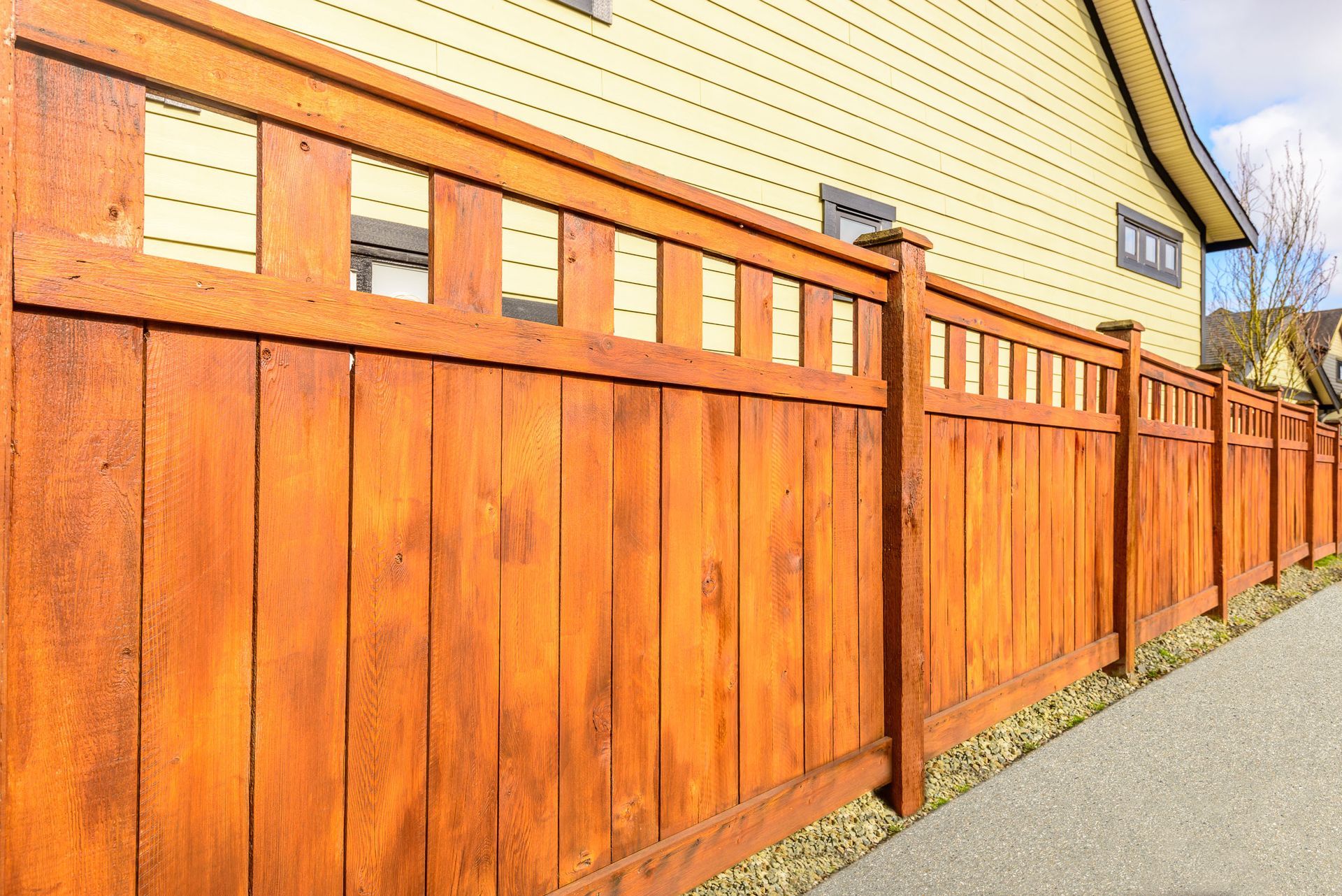
While the primary intention of a fence is functional—demarcating property lines, enhancing security, or protecting privacy—it can also be a significant factor in property aesthetics. According to the USDA Forest Service, about 50% of homes in the United States have a fenced yard, most commonly in the backyard. Given this prevalence, homeowners are often tasked with the decision of selecting the right fence contractors to erect these essential structures.
Choosing the right fence contractor is crucial for ensuring that your fencing project meets your needs and expectations. Whether you are replacing an old fence or installing a new one, it's important to select a contractor who is not only skilled but also aligns well with your vision and budget. Here, we'll guide you through essential questions to ask potential
fence contractors, covering areas from their experience to follow-up services, ensuring a comprehensive evaluation process.
Experience and Credentials
How long have you been in business?
One of the first indicators of a contractor’s capabilities is the length of time they have been operating in the industry. A contractor established for several years is likely to have accumulated substantial experience and dealt with various project complexities. Longevity can also signal continued customer satisfaction and business sustainability. In contrast, newer companies might offer innovative approaches but may lack comprehensive field experience. Evaluating both aspects is vital in making the right choice for your project.
With experience comes a deeper understanding of materials, techniques, and challenges specific to different fencing needs and environments. Experienced fence contractors have likely faced and overcome a range of potential issues, making them more adept at preemptively addressing concerns before they escalate. Additionally, a long-standing business presence often correlates with a reliable network of suppliers and subcontractors. This network can lead to better pricing and assurance of high-quality materials. Exploring these aspects with your contractor will ultimately inform your choice.
While weighing a contractor’s experience, consider the complexity and scale of your project. Contractors with long-standing histories might be more adept at handling larger, more demanding projects. Newer businesses might excel in providing personalized, closely supervised experiences. Regardless, the key lies in matching your project's needs with the contractor’s proven capabilities. Taking the time to understand their operational history will aid in setting realistic expectations for your future collaboration.
Can you provide references from previous clients?
References are an invaluable resource for gauging the quality and reliability of a contractor. Previous clients can provide first-hand insights into their experiences, including the contractor's professionalism, punctuality, and adherence to budgets and timelines. A reputable contractor will readily provide references as a testament to their work. Hesitation to do so could indicate potential issues or dissatisfaction among past clients. Ensuring you get honest feedback is vital for peace of mind before entering into any contractual agreement.
When contacting references, inquire about specific aspects that align with your priorities. Ask about any challenges that arose during their projects and how these were handled. Understanding how a contractor responds to unforeseen issues can be as crucial as understanding their standard practices. Additionally, evaluate the overall satisfaction of the project outcome and adherence to estimated costs. This information will provide a well-rounded view of what you can expect.
Beyond references, online reviews and portfolio samples can supplement your evaluation. These resources showcase the breadth of a contractor's work and customer satisfaction trends. Positive feedback and diverse project examples can be strong indicators of reliability and versatility. However, look out for consistent critiques, which might highlight areas requiring precaution or negotiation. Together, these assessments can solidify or alter your initial impressions.
Project Planning and Timeline
What is the anticipated timeline for the project?
Mapping out the timeline for your fencing project is integral to anticipating its impact on your daily life and planning around potential disruptions. Clearly understanding the expected duration allows you to organize accordingly, whether it involves altering your gardening schedule or coordinating with neighbors. Enquire with your contractor about their standard project timelines and any factors that might accelerate or delay completion. Such information can also help you compare different contractors effectively. Assurances in timelines should be backed by a track record of timely project deliveries.
A well-prepared contractor provides a realistic timeline based on scope, design, and potential unpredictable factors like weather conditions. Due to these variables, the contractor should also elucidate how contingencies are handled. Probing into their process for managing scheduling issues can prevent future frustrations. A transparent timeline not only sets expectations but also mitigates the strain on relationships between clients and contractors. Proactive communication can help manage any unavoidable delays more gracefully.
How do you handle project delays?
Delays in construction projects are often inevitable, stemming from weather disruptions or unexpected technical challenges. A contractor’s responsiveness to delays can set them apart in professionalism and customer service. Understanding how your contractor deals with setbacks is crucial to maintaining project momentum. Ask about contingency plans and communication strategies used to handle and convey delays. Forthright contractors will have established procedures to transparently update clients and realign project timelines.
Furthermore, ask for examples of past projects where delays occurred and how they were managed to fruition. This provides insights into their problem-solving techniques and ability to sustain quality under duress. In some instances, effective management of a delay can actually prevent further setbacks, exemplifying diligence and efficiency. This attribute is especially valuable in maintaining trust and collaboration throughout the project's progression. Failure to establish clear communication regarding delays can result in unresolved tensions.
Material Selection and Quality
What types of materials do you recommend?
The choice of materials plays a crucial role in determining a fence's longevity, maintenance, and overall aesthetic appeal. A reliable contractor should provide recommendations that suit your specific needs and environmental conditions. Discuss options such as wood, vinyl, metal, or composite materials, each offering distinct advantages and limitations. For instance, if sustainability is a concern, your contractor should present eco-friendly materials. The selections should reflect a balance between functionality and visual harmony with your property.
Contractors well-versed in materials should also forecast their performance in terms of durability and maintenance needs. Expert recommendations often incorporate a variety of factors, such as climate, soil, and any physical demands unique to your location. In the context of material selection, it is vital to factor in long-term maintenance and weather resilience. This ensures the fence not only meets immediate needs but remains a worthwhile investment in future years.
How do you determine material suitability?
Determining the suitability of materials involves a multi-faceted evaluation of functional needs versus environmental factors. Fence contractors diligent in their craft evaluate how different materials behave under specific conditions to maximize durability and sustainability. Factors such as climate, soil type, and exposure to elements are pivotal in defining a material's appropriateness for a project. A meticulous assessment process safeguards against premature degradation or malfunction of installed fences. The selected materials should stand the test of time while requiring minimal maintenance.
Besides technical assessment, sustainability considerations have become increasingly significant. Understanding a contractor's approach towards eco-friendly practices gives insight into their adaptability alongside global trends. For environmentally-conscious individuals, knowledge of material recyclability, sourcing, and ecological impact might be a governing factor. Incorporating sustainable materials into a project not only benefits the planet but can also enhance the property's value. As concerns grow about residential areas matching ecological universal standards, material selection becomes imperative.
Choosing the right fence contractors starts with asking the right questions. By taking the time to evaluate a contractor's experience, communication, project planning, and material recommendations, you can feel more confident in your decision and avoid unnecessary surprises. A thoughtful hiring process helps lay the groundwork for a fence that meets your practical needs, complements your property, and provides lasting value for years to come. For an experienced fence contractor you can rely on, contact Fence Me In and Decks Too today.